
Want to know how we help others in your industry?
How we help
Common problems we solve for energy and environmental:
Characterise Wastewater Slurries
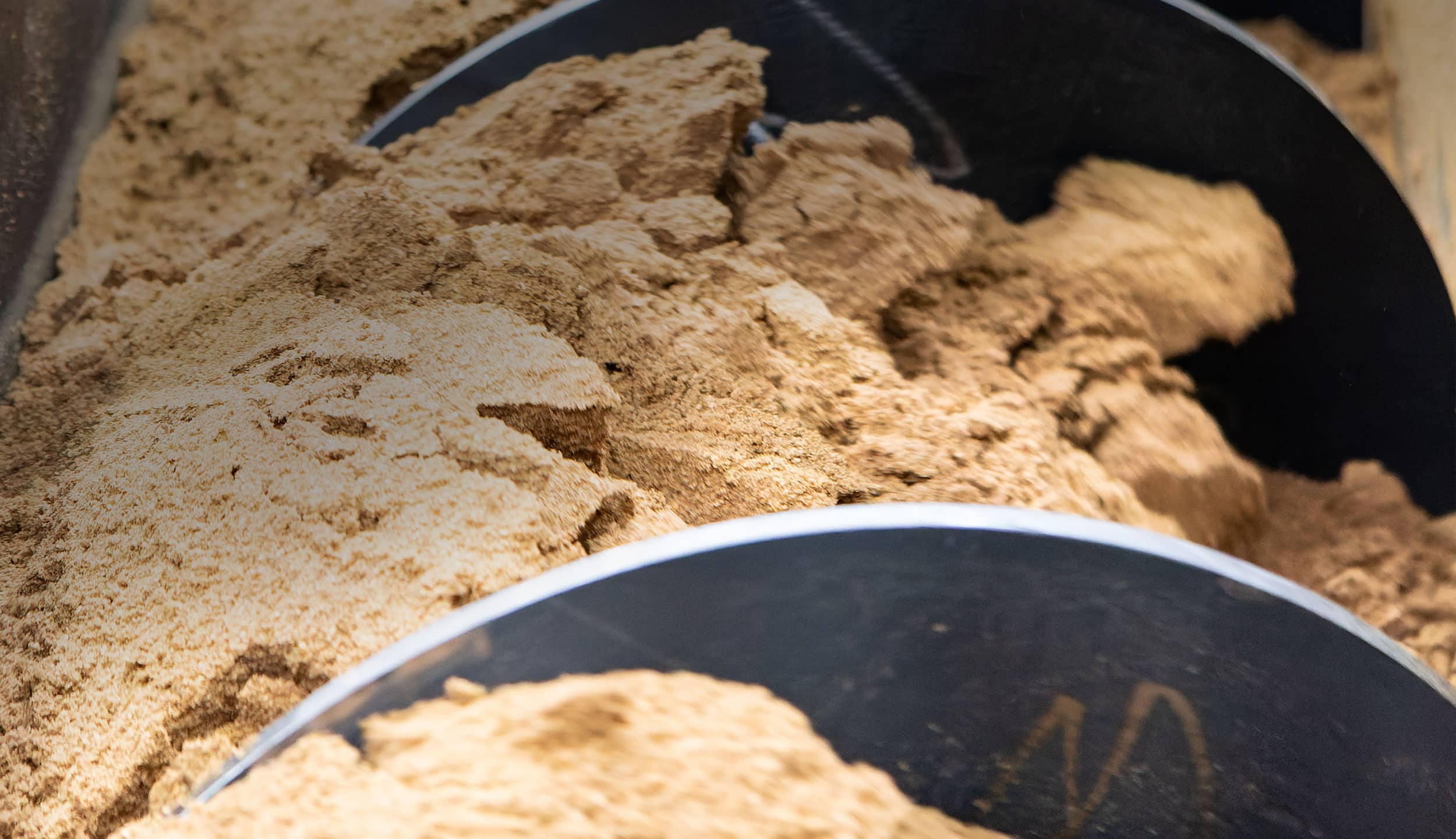
Our suite of specialist geometries allow us to measure inhomogeneous digestates and slurries, which are typically difficult samples to test reliably. Rheological profiling then defines the operating window for processing.
Maintain Sludge Circulation
Viscosity profiling across process-relevant conditions shows how activated sludge thins under agitation. Thixotropy reveals how quickly it gels and stiffens again at rest.
Supply CFD-Ready Data
Rotational rheology captures viscosity across the full shear range your model needs. Fitting to standard flow models gives parameters that feed directly into your CFD software.
Screen Carbon Capture Solvents
Surface tension and contact angle measurements show how well a solvent wets a packed bed wet scrubber. Poor wetting limits the contact area available for capture. Rheology profiling can also be carried out as a function of temperature.
Qualify Recycled Polymers
Our newly implemented approach allows us to gain significant insights into thermal degradation of polymers. This methodology is particularly useful at benchmarking virgin material against post-consumer recyclates.
Investigate Heat Transfer
Thermal conductivity and heat capacity testing quantify how efficiently a fluid carries heat. Viscosity profiling across temperature shows what is required to pump it.
How We Help
What We Do and How It Supports You
Navigating complex materials requires the right tools and expertise. Our physical testing lab has extensive experience handling challenging samples, such as wastewater slurries, and extracting the precise data you need. By turning difficult materials into clear insights, we help you:
- Optimise process efficiency
- Minimise waste disposal costs
- Ensure smooth processing operations
Common Questions Answered
Challenges and Solutions
Challenge
“We cannot handle and reliably characterise our anaerobic digestate slurries”
Solution
Anaerobic digestates are among the most difficult materials to characterise reliably. They are inhomogeneous, often highly variable in composition and present real practical challenges when it comes to sample handling and preparation.
At the Centre, we are well equipped to receive, prepare and test these samples, utilising specialist geometries to extract meaningful rheology data where standard methods would fail.
Challenge
“Maintaining consistent circulation of activated sludge through our aerobic treatment stages poses a persistent challenge”
Solution
Activated sludges behave as a thixotropic, shear-thinning fluid. It can gel and stiffen at rest, but flows readily under sufficient agitation. Without a clear picture of this flow behaviour, it is difficult to design or operate mixing and recirculation systems with confidence.
Viscosity and thixotropy profiling measurements across process-relevant shear conditions give you the data needed to make informed decisions to maintain circulation.
Challenge
“I want to understand the wettability of my solvent for my packed bed wet scrubber”
Solution
The efficiency of solvent-based packed bed wet scrubbers, such as in carbon capture processes, depends partly on how well the solvent wets and spreads across the surfaces it contacts. Surface tension and contact angle measurements characterise this behaviour, and can be used to compare and benchmark solvent formulations or support process design.
Want to find out more about our physical characterisation for energy and environmental?
Why It Matters
Why Do Physical Properties Matter for Energy and Environmental?
Many of the most challenging fluids in energy and environmental processing are inhomogeneous, non-Newtonian, and difficult to work with. Characterising viscosity across a range of shear conditions and yield stress helps identify process limits and a window of acceptable operating parameters. Where thermal processing equipment such as heat exchangers is involved, measuring properties like thermal conductivity and specific heat capacity is equally essential to ensure processes run as intended.
About us
Get in touch
High-performance rotational rheometers
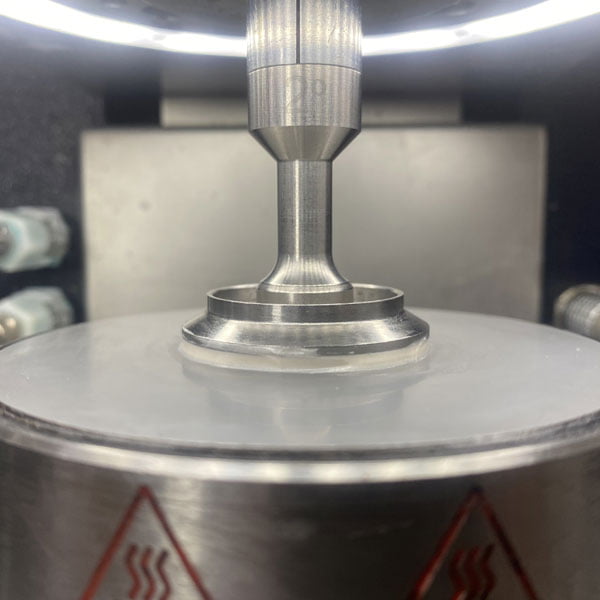
Follow the link for more information on how our rheology and viscosity lab supports the energy and environmental sector.
Energy and Environmental Resources


















The Methods We Use
Relevant Techniques
You can learn more about our testing capabilities by following the links below.