
Want to know how we help others in your industry?
What is Tribology Testing?
The study of friction, lubrication and wear of contacting surfaces.
On This Page:
Uses & Applications
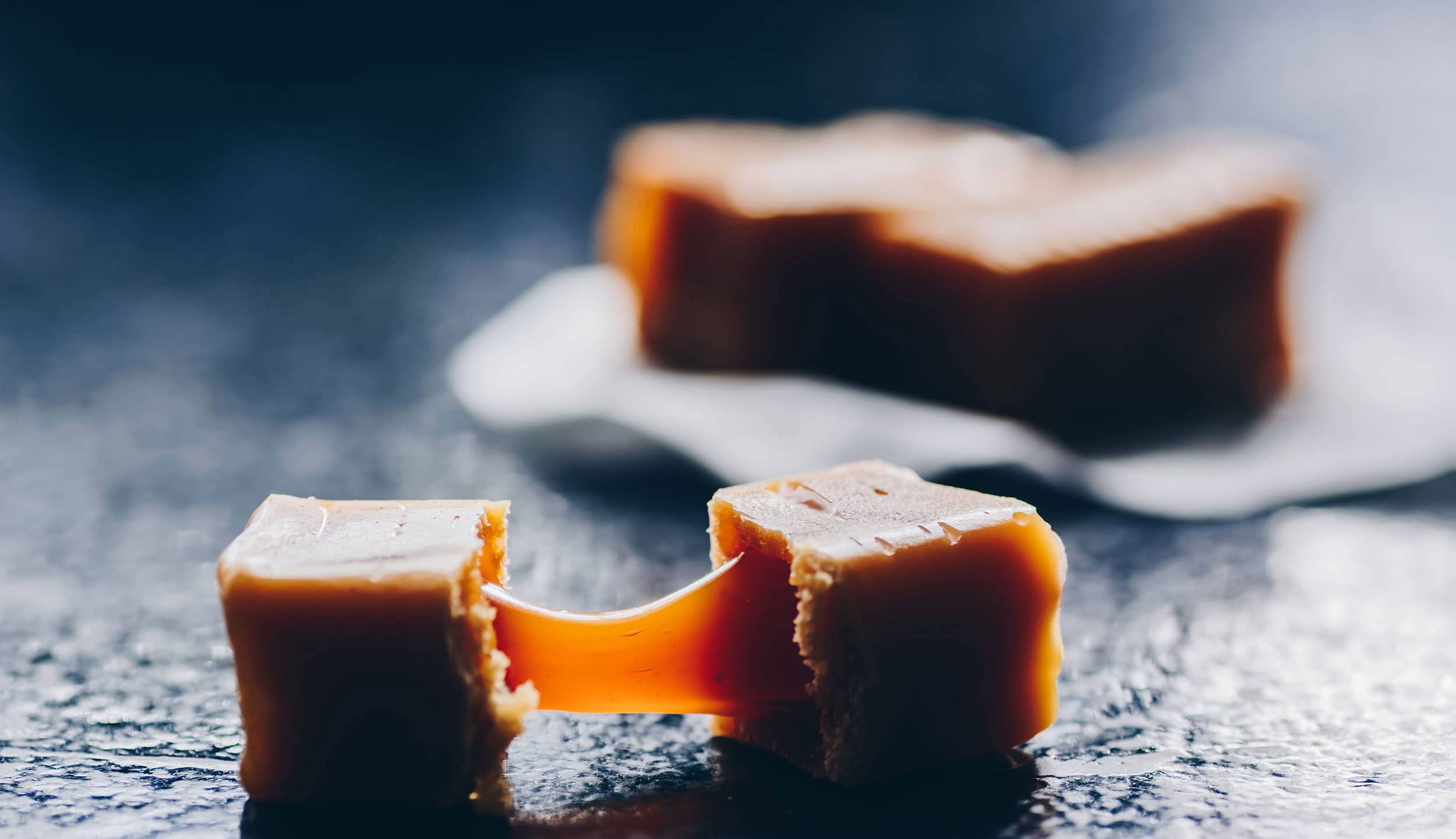
Tribology measurements give insights into the friction between contacting surfaces and the performance of any lubricants added to those surfaces. Soft or bio-tribology measurements can predict the sensory properties of cosmetics, foods and healthcare products. Friction measurements can inform on slip resistance and haptic properties of manufactured surfaces.
WHAT WE DO
Our Tribology Testing Lab?
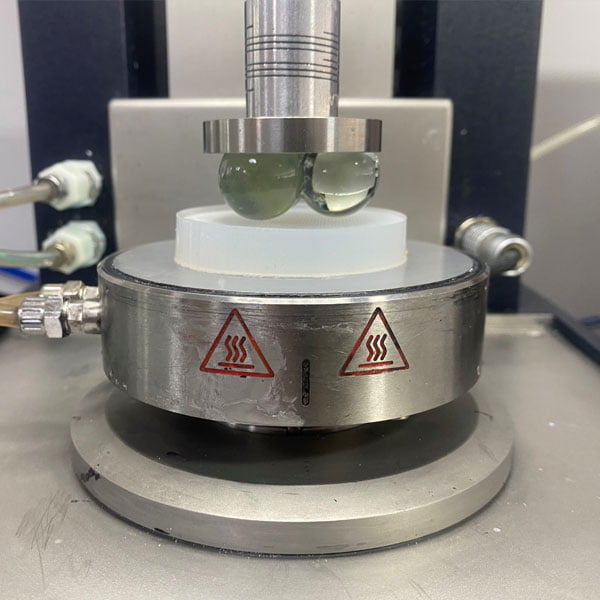
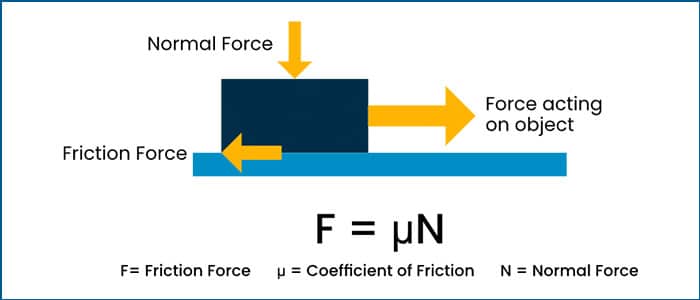
Tribology testing entails bringing two surfaces into contact under a defined load and sliding one against the other. The coefficient of friction, the ratio of drag force to load force, is recorded and reported. The influence of changes in sliding speed or load force can then be explored. The surfaces and any applied lubricating liquid form the test sample.
THE METHODS WE USE
Soft Tribology and Bio-Tribology
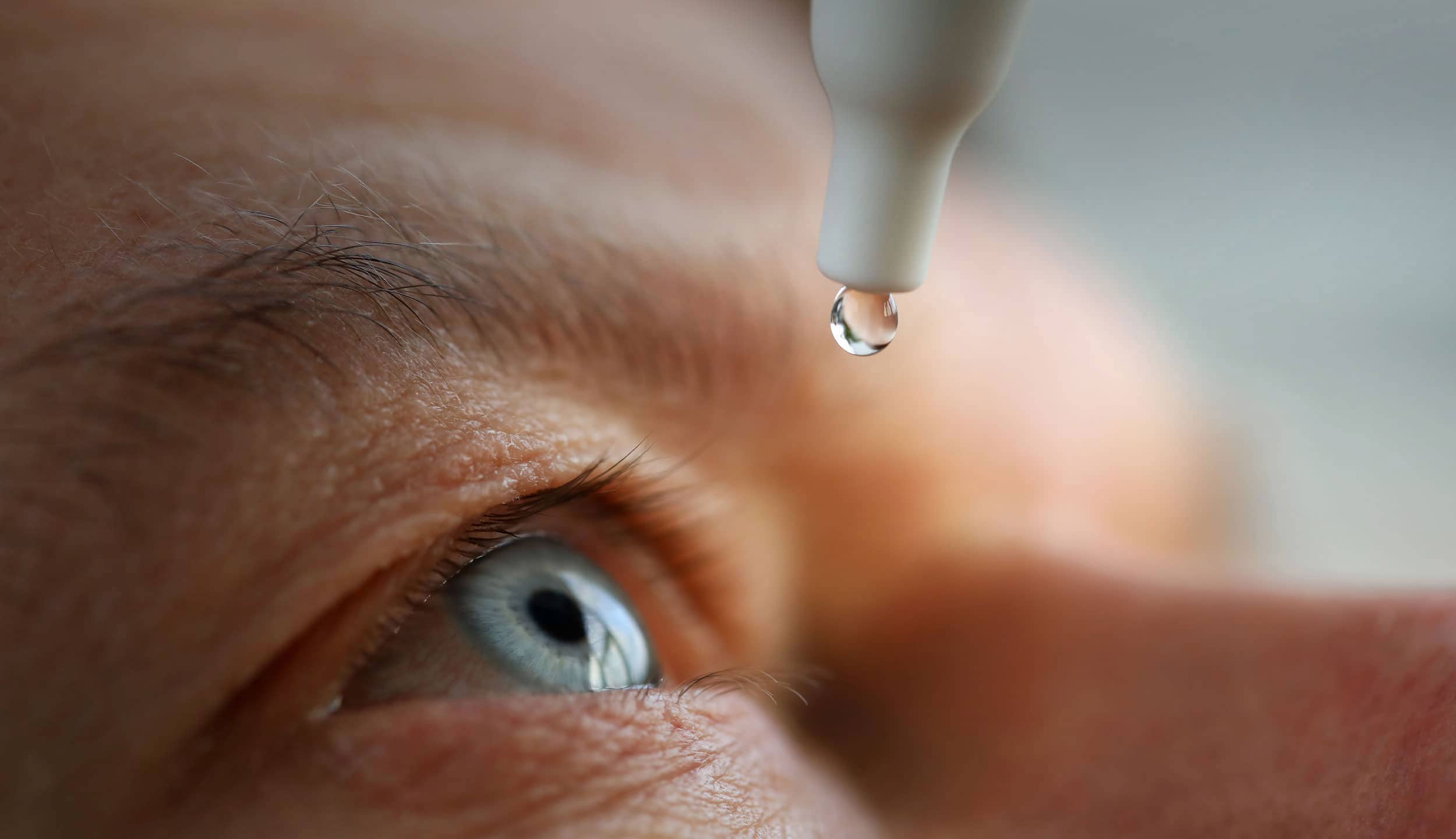
Soft tribology and bio-tribology are the study of the lubrication of compliant biological surfaces. These include the eyelid and cornea, tongue and palate, lips, mucous membranes or interacting bodily surfaces.
The film-forming and lubricating ability of liquids applied to these surfaces provides valuable insights for various products, such as:
Ophthalmic lubricants and eye drops
Cosmetic skincare and personal lubricants
Fat-reduced foods, plant-based milks and alt-meats
See more about how our tribology testing lab can support your industry
Industries
Tribology attachment for Rheometer
Do you need friction measurements with a quick turnaround?
CLEAR RESULTS
The Stribeck Curve
Tribology test results are often displayed in the form of a Stribeck curve. As shown below, the Stribeck curve is usually composed of three regions.
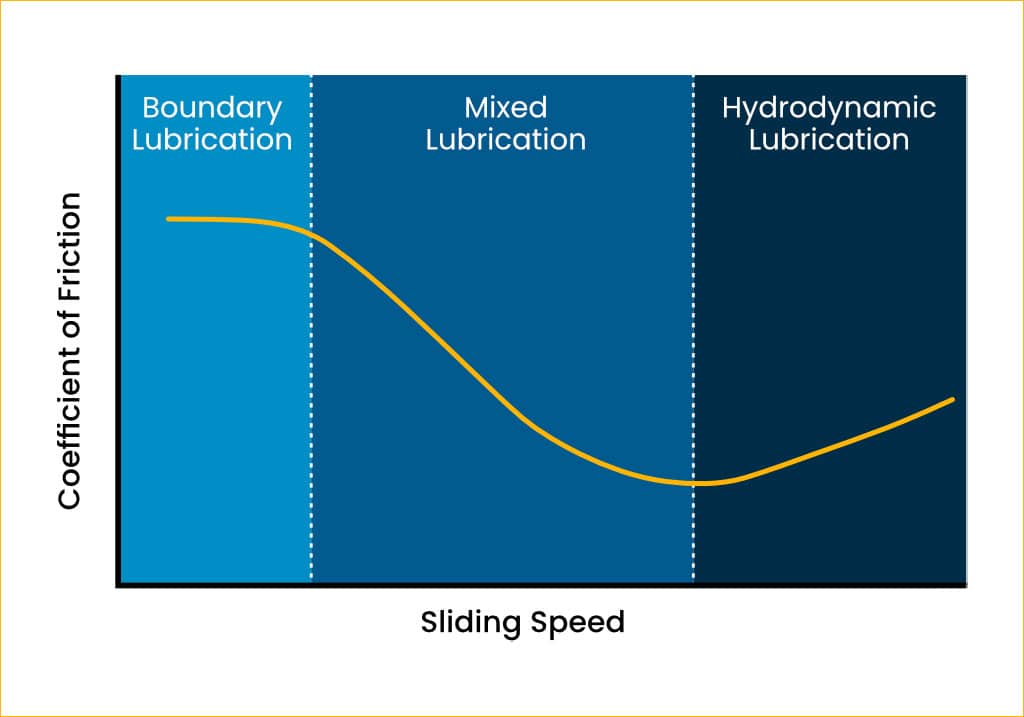
At low speeds, the surfaces are in close contact, allowing surface roughness features (asperities) to interlock. Under these conditions, lubrication is low, so friction is high. This stage is referred to as boundary lubrication
As the sliding speed is increased, the lubricant entrained between the upper and lower surfaces creates hydrodynamic lift. This results in increasing separation of the surfaces, reducing frictional drag. This stage of lubrication is known as mixed lubrication.
Finally, as sliding speed increases, a complete separation of the surfaces occurs. Friction reaches a minimum, and the final stage is reached: hydrodynamic lubrication.
What does this tell us?
We can use the Stribeck curve as a tribological fingerprint to benchmark and compare products for lubricating properties. When combined with rheology measurements, tribo-rheological profiles can deliver a powerful sensory prediction tool for formulation and product development needs.
FRICTION ANALYSIS
Coefficient of Friction Testing Lab
We provide a friction testing service for measuring the static and kinetic coefficient of friction of films, sheets and hard surfaces. The sled-plane methods can also act as a useful starting point for customised methods for investigating or measuring friction force in a number of different applications.
Why is measuring the coefficient important?
Assessing the kinetic and static coefficient of friction is crucial in multiple industries. These include packaging and plastics, as well as medical devices, textiles, paints, and coatings.
Conducting our Coefficient of Friction Testing
The sled-plane method that we employ is beneficial for getting a qualitative measure of the degree of slip between two surfaces. It’s also effective in benchmarking the slipperiness as two surfaces interact.
Our lab can work with ASTM D1894, ISO 8295 and other sled-plane friction methods. We can also investigate friction as a function of sliding speed. Alternatively, our method development services offer design-specific protocols for the investigation of friction for a variety of materials or situations.
Friction Testing Service
Find out more about the industries our lubrication testing lab support
Upon receipt of your samples, we will:

Measure
Perform measurements of the appropriate properties (coefficient of friction, Stribeck plot, rheology/viscosity, etc.) relevant to your products.

Present
Present and explain the results and discuss the insights gained with reference to your needs.

Support
Provide the support necessary to exploit the analyses and confidently communicate and discuss the findings.
Other techniques & capabilities
Find out more about our other techniques and capabilities by following the links below.