
Skip links

Foam Stability Prediction: Interfacial Rheology Measurements

Optimum interfacial rheology properties can impart stability in foams. In simple terms, robust, elastic films surrounding bubbles tend to reduce liquid drainage, rupture and coalescence. Our laboratory provides expert interfacial rheology measurements to capture and quantify these properties for researchers aiming to accurately predict and

Keeping It Cool: The Impact of Foaming on Liquid Cooling Efficiency

As processors are continually developed, their thermal design power is increasing exponentially, posing significant challenges in managing heat dissipation. Combined with the growing demand for AI-driven data centres, efficient cooling has become more critical than ever. Liquid cooling is emerging as a solution for high-performance

Predicting Powder Compaction with Powder Flow Analysis

Powders experience a multitude of challenges during transport, namely vibrations and bulk compression, but also temperature and humidity changes. Dynamic Powder Flow Analysis (DPFA) provides a direct measurement of the propensity for the vibration-induced immobilisation of powders and bulk solids during transportation, be it air,

Rheo-Microscopy Melt Profiles: Dairy Vs Vegan Cheeses

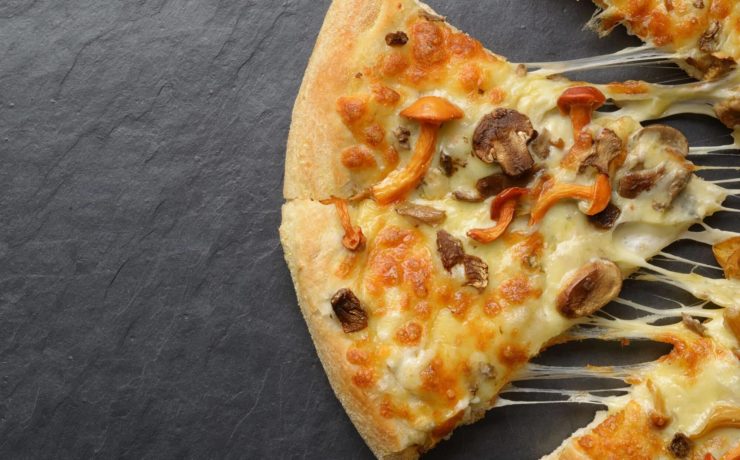
While the last 10 years have witnessed the growing popularity of vegan diets, the shift from dairy to plant-based products presents formidable challenges for food and ingredients manufacturers. Rheo-microscopy emerges as a tool in addressing these challenges. This advanced analytical technique plays a role in

Identifying Suitable Grease Alternatives with Rheology

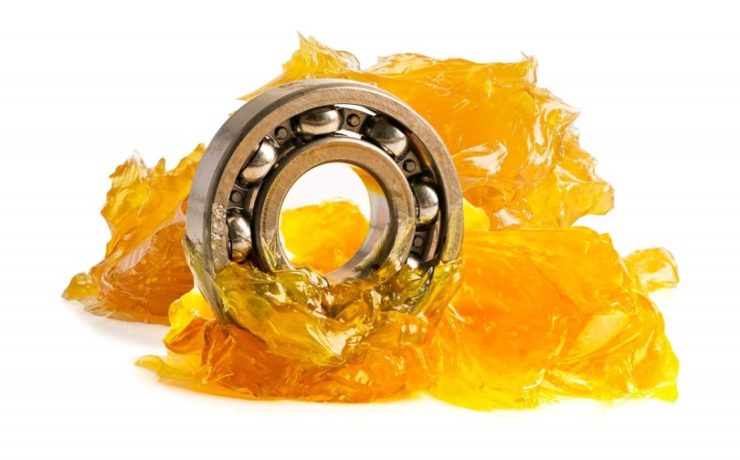
With lithium in short supply, automotive manufacturers are looking to alternative greases for lubrication. Yield stress, viscosity, and thixotropic recovery rate and are amongst the rheological characterisations that will aid manufacturers in choosing the most suitable grease alternative for their engines. The lab at the

Rapid Prediction of Powder Caking, Crusting and Agglomeration

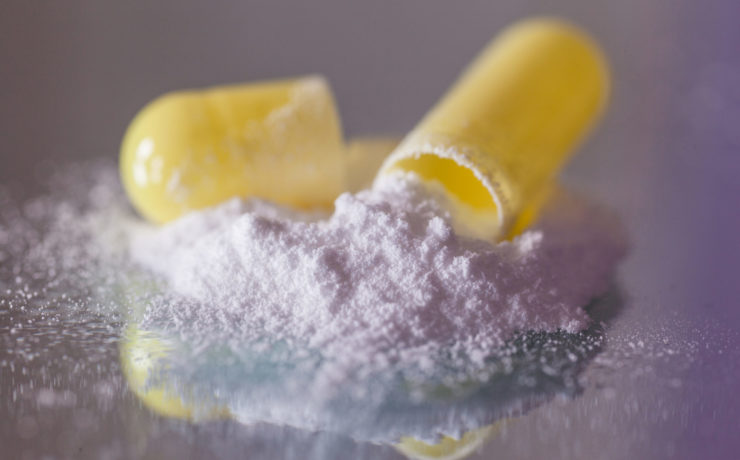
Powder caking is a universally experienced phenomenon with the potential to ruin production runs and grind factories to a halt. A robust caking study can provide early indicators of a powder’s propensity to cake, identifying major contributing factors to the phenomenon and potentially indicating working