
Skip links

Electronic Materials

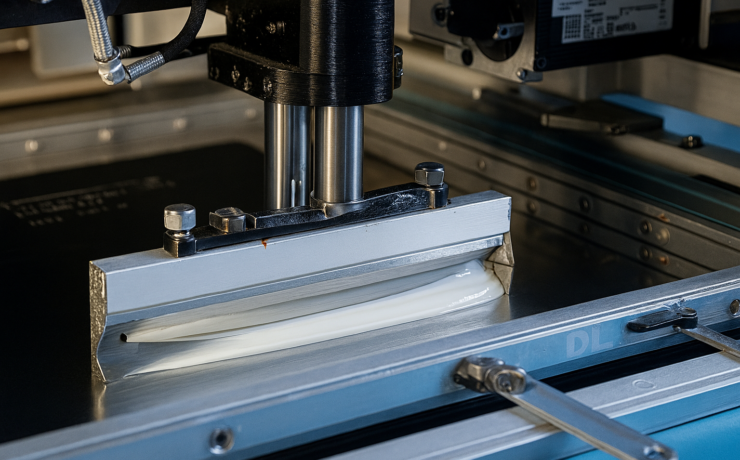
Solving Slumping and Stability Issues in Screen Printing Using Rheology

Challenge A manufacturer of printed electronics approached us with a persistent and costly print quality problem that was disrupting their production line. Some of their silver-loaded screen-printing paste was producing inconsistent results that were proving difficult to diagnose and resolve through process adjustments alone.   Specifically,
Keeping It Cool: The Impact of Foaming on Liquid Cooling Efficiency

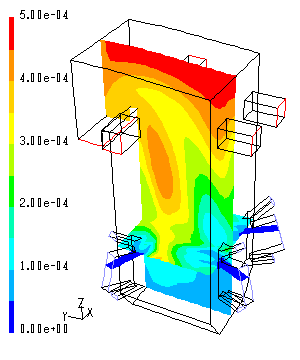
As processors are continually developed, their thermal design power is increasing exponentially, posing significant challenges in managing heat dissipation. Combined with the growing demand for AI-driven data centres, efficient cooling has become more critical than ever. Liquid cooling is emerging as a solution for high-performance

Viscosity and Thermal Conductivity of Heat Transfer Fluids

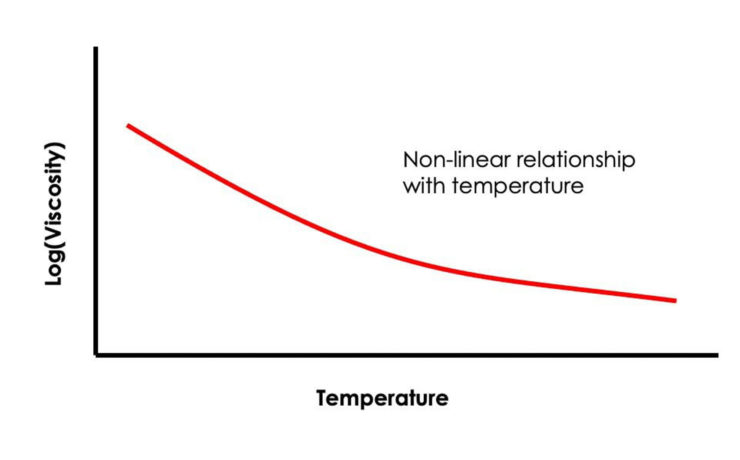
The viscosity and thermal properties of thermal transfer fluids are vital to characterise when predicting handling and benchmark performance. Performance additives such as nano-particles, anti-corrosion or anti-freeze can significantly impact base handling and thermal transfer properties, so they must be balanced for the intended application.

Fuel Cell Surface Free Energy Testing

We provide contact angle, wettability and surface free energy measurements of membrane electrode assemblies (MEA) and substrates for proton exchange membrane (PEM) fuel cell technologies, where effective interfacial contact between electrode materials and membrane is necessary for efficient performance.  Our lab is equipped with a variety of specialist equipment including drop shape analysers,

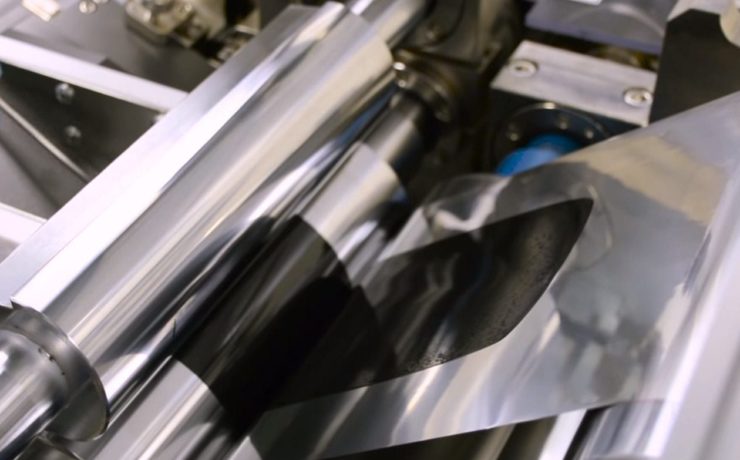
Battery Electrode Slurry Rheology

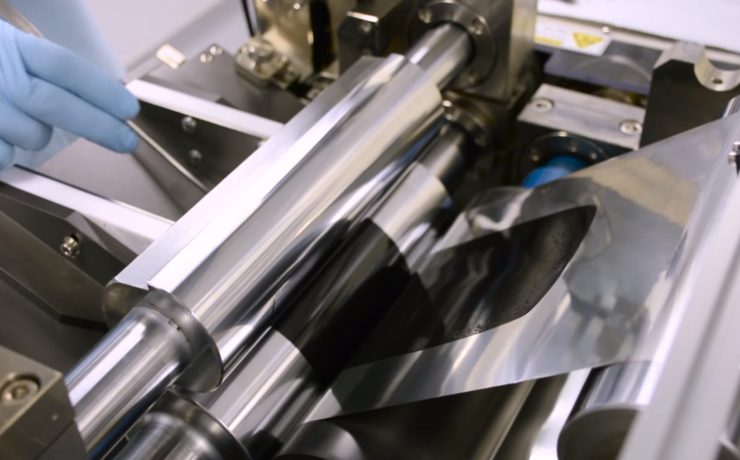
A lithium-ion battery is generally composed of two electrodes that are spatially separated, a separator between the electrode (usually a microporous membrane), and an electrolyte. The electrode contains a solid matrix that contains an active material, additives for conductivity improvement (often carbon black) and a

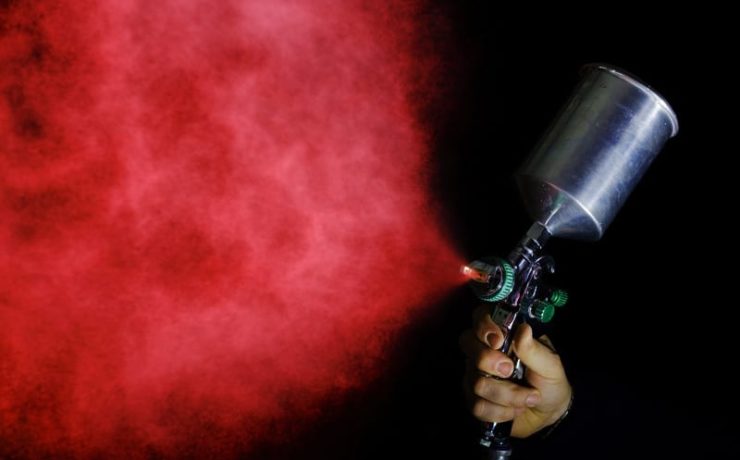
Conformal Coatings Rheology and Surface Tension

The rheology and surface properties of conformal coatings have a direct effect on their application performance and are often analysed to predict and ensure suitability for a specific application method. This could be either by brushing, dipping, spraying, film coating or needle dispensing. The Centre