
Skip links

Tag: sensory

Using Rheology for Patient Compliance

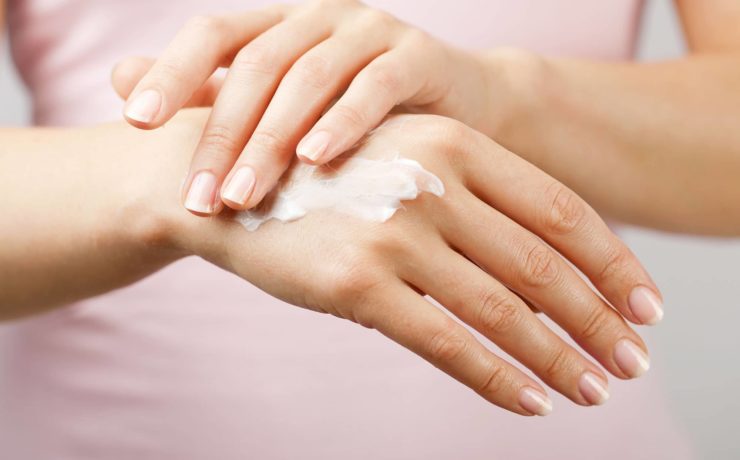
Tribo-rheological Profiling for Emollients The sensory qualities of topical pharmaceuticals is rapidly becoming recognised as one of the drivers of patient compliance among sufferers of eczema, psoriasis, ichthyosis and other dermatological conditions where “complete emollient therapy” treatments are the frontline attack. Sensory qualities of spreadability

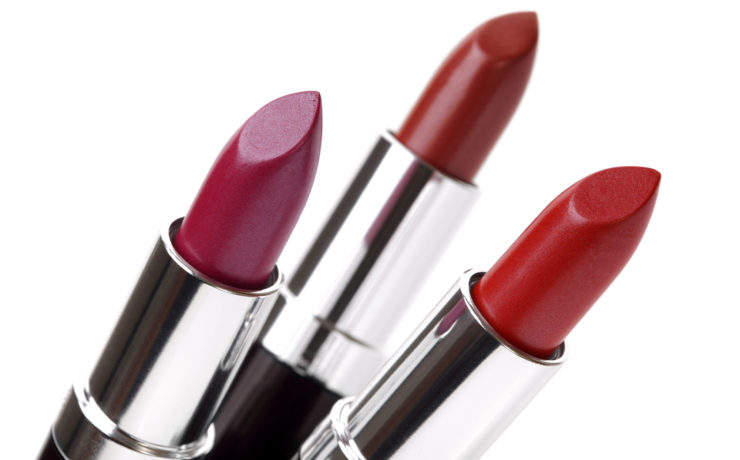
The Lubrication Of Lip Balms And Lipstick

Kiss And Make Up: Quantifying The Lubrication Of Lip Balms And Lipstick Here at the Centre for Industrial Rheology, we pride ourselves on how we quantify life’s pleasures to help our customers, the researchers and developers of the world, make their products a little more pleasurable.

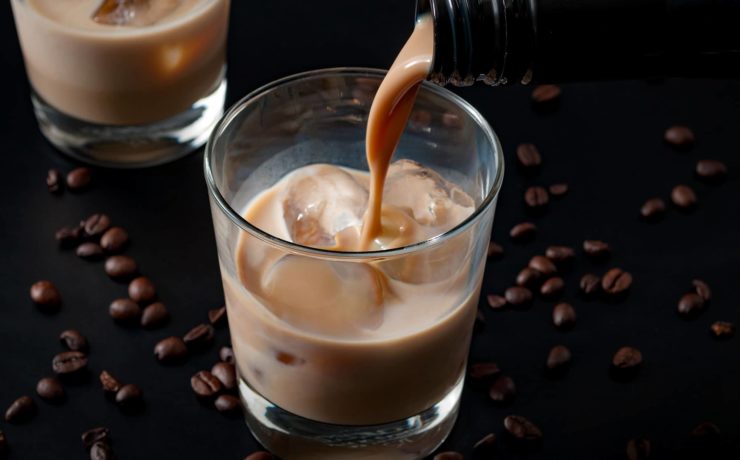
Spirited Away: Rheology, Tribology and Mouthfeel of Liqueurs

Tribology and rheology measurements can provide innovators in liqueurs, spirits, wines and beers with rapid screening, profiling and benchmarking of the viscosity and lubrication qualities of their products and those competing for the demanding consumer. Mouthfeel is a critical quality attribute for alcoholic drinks, the prestige

Rheology Profiling for Topical Pharmaceuticals

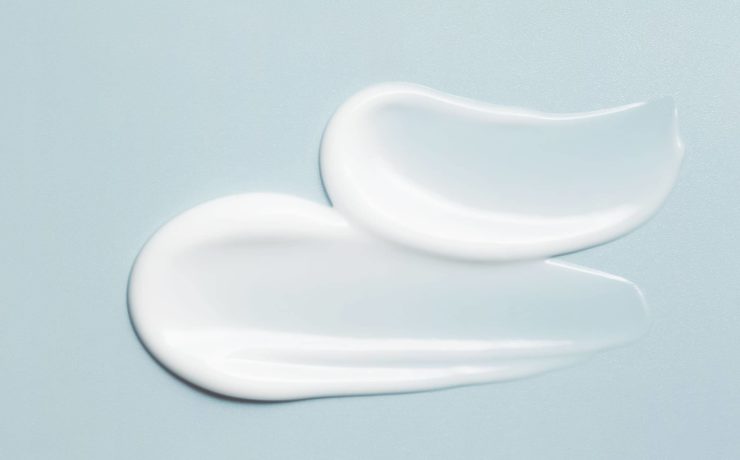
Our Rheology Profiling for Topical pharmaceuticals including Creams, Ointments and Lotions provides a powerful toolkit of metrics for formulation, process design and quality control personnel. The revealing insights delivered by measuring the rheology of semisolids can help greatly with: Comparing a generic formulation with the Reference Listed

Rheology of condiment sauces of similar viscosity

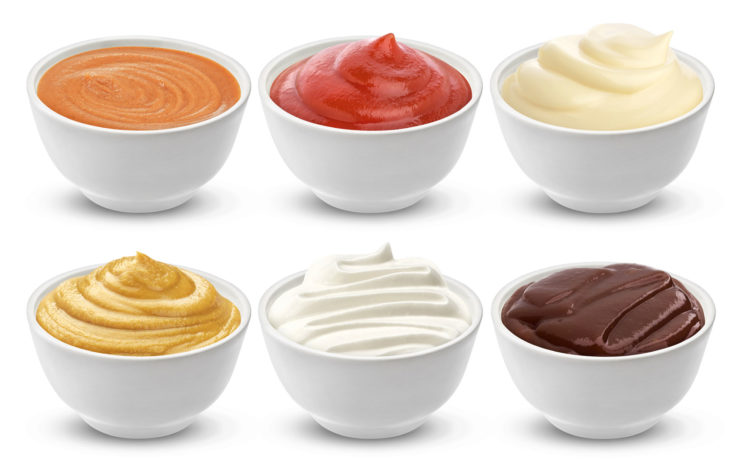
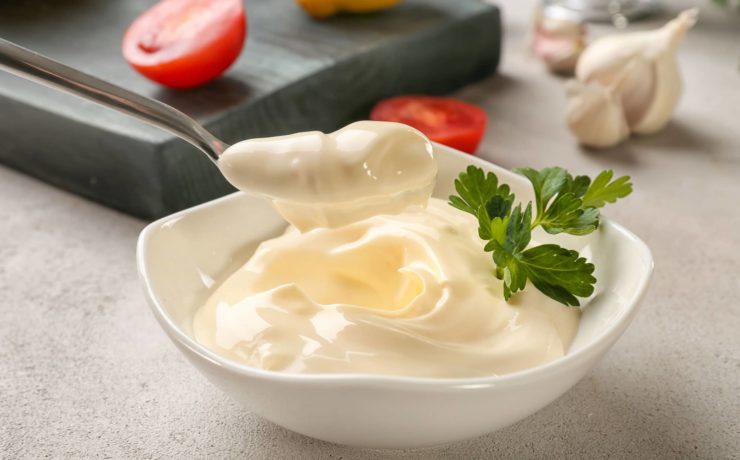
Rheology testing reveals a world of difference between condiments of similar viscosity values This investigation demonstrates how viscosity measurement alone is far from adequate for characterizing the consumer-perceived attributes of three popular condiments: Heinz Tomato Ketchup, Daddie’s Brown Sauce (a popular British brand) and French’s Burger

Rheology: So Much More than Just Viscosity

Viscosity alone is sadly lacking as a metric to quantify the handling, delivery and textural attributes of suspensions, emulsions and gels. The reason for this is that many of the materials we manufacture and deliver to the market spend most of their lives acting, not