

Skip links

Applications of Rheology

Thermoset Polymer Rheology

Thermoset polymers are vitally useful in the manufacture of both consumer products and in industry. Few materials meet the requirements of being able to change their phase state from an easy to handle fluid to an incredibly strong solid in an irreversible manner. The ever-increasing

Creep Test for Liquids and Semisolids

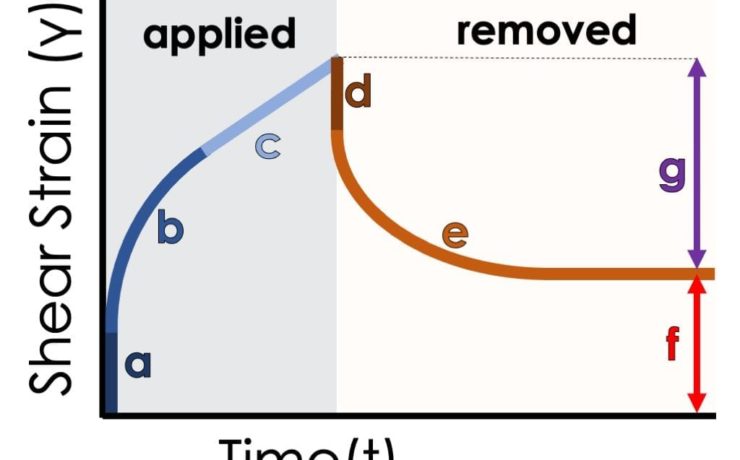
A creep test is used for describing the slow steady flow of material under low-stress conditions and is commonly requested for identifying important material properties such as zero shear viscosity and specific viscoelastic properties. Need to have a creep test performed but lack the equipment

Spray Drying Rheology and Surface Analyses

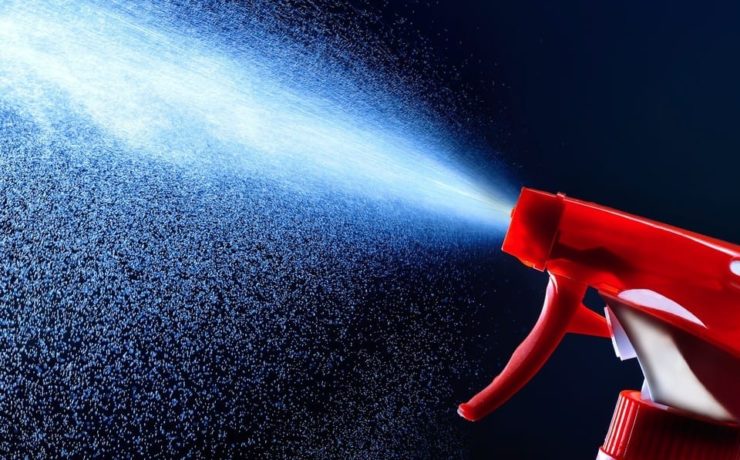
Rheology and surface tension: A toolkit of measurements for spray drying process development. The rheological and interfacial properties of the feedstock liquid are critical physical properties that offer valuable insights for the spray drying process developer. The two key areas in which rheology and surface

Viscosity testing for process design

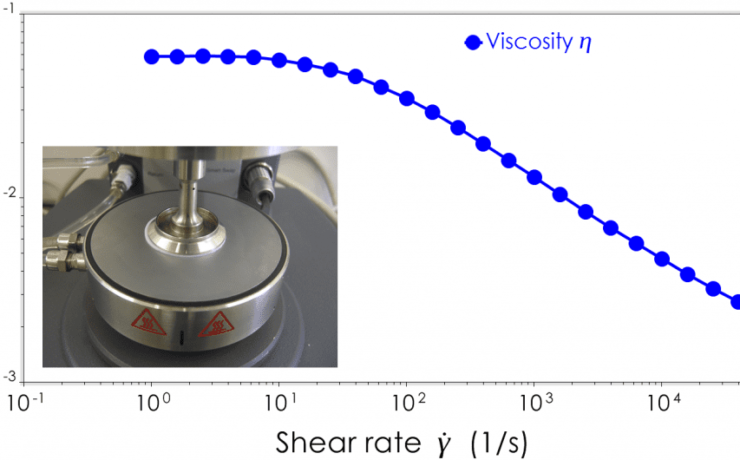
Whether defining dimensions for a pipe system, specifications for pumps or heat exchangers, or generally deciding on mixing and filling process, viscosity measurements provide a wealth of valuable data to process engineers. Contact us now for a rapid and accurate characterisation of viscosity of your

Emulsion Stability: Strong and Stable or Weak and Feeble

Want to explore how rheology can help with your stability investigations? Contact Us Creaming, sedimentation, flocculation and coalescence: four clear signs that spell failure for a formulation. Stability is one of the fundamental properties of an emulsion, if the product doesn’t remain emulsified then no

Rheology Hacking And Reverse Engineering

Hacking The Rheology Of Your Competitors’ Products…Before They Hack Yours. Is there a product in your industry that has that certain x-factor that brings its users back for more time and time again? It could be a cosmetic lotion with a remarkable texture, a dip or

Suspension Stability

Increasing the zero-shear viscosity of the continuous phase of an emulsion or suspension is a popular method of increasing physical stability. However, zero-shear viscosity measurements are outside of the capability of most typical laboratory viscometers as they lack the sensitivity and precision motor control necessary