
Skip links

Cosmetics and Personal Care

Sensory Prediction without a Panel: Tribo-Rheology for Skincare

Quantified  –  Repeatable  –  Objective The Centre for Industrial Rheology has been delivering sensory prediction/tribo-rheological profiles to industry titans within the cosmetic, personal care, and pharmaceutical sectors for almost a decade. The quest for the perfect cream or lotion formulation rests on a balance of

Baby Bubble Baths and the Interfacial Rheology of Surfactants

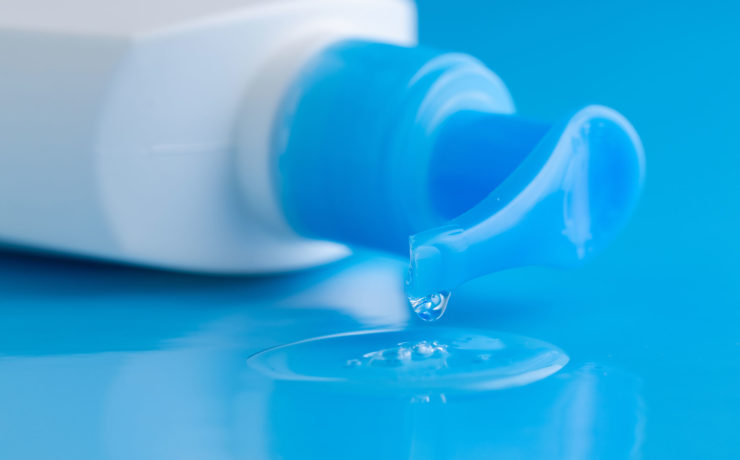
The bulk rheology and interfacial behaviour of foams is extremely important to a number of industries, but their rheological behaviour is poorly understood. There are two aspects that can be subjected to the rheological investigation: the foams themselves, and the diluted liquid containing the foaming

Toothpaste Rheology Methods and Approaches

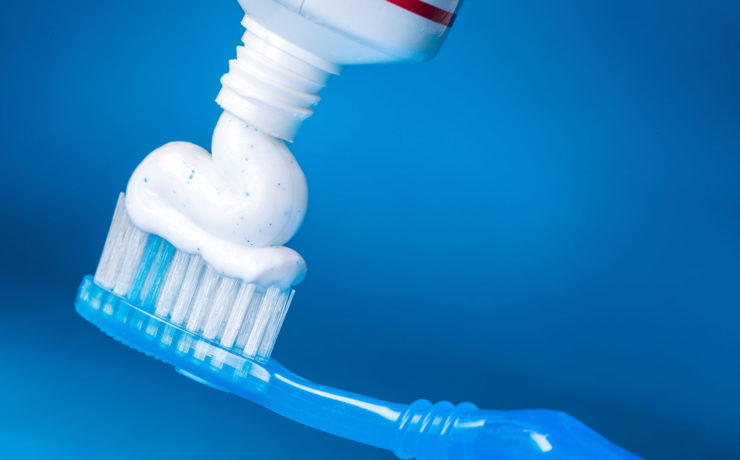
There’s something oddly satisfying about watching toothpaste being squeezed onto a toothbrush. Particularly so, when there’s a well-defined and brightly coloured stripe across the side which then begs the question, how do they get that stripe there? The answer is a combination of clever engineering

Processing viscoelastic materials

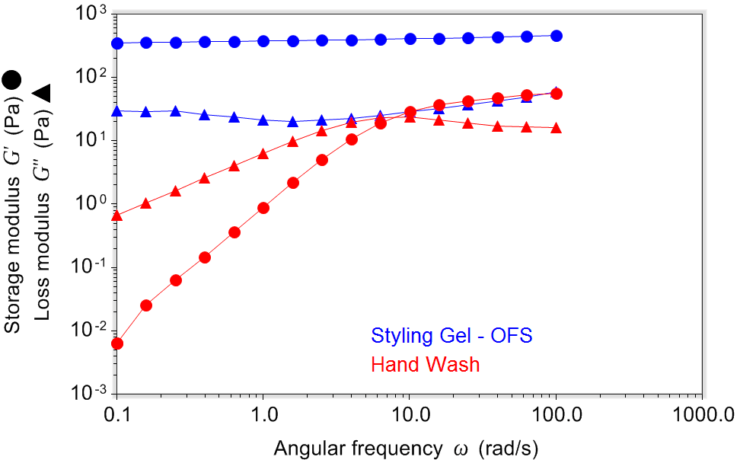
Rheological profiling of potentially viscoelastic materials can provide a crucial early warning of troublesome high-shear onset elastic effects in manufacturing, providing the formulator or process developer with a valuable heads-up far in advance of expensive plant and resource selection decisions. Feel welcome to arrange a chat to find out

The Lubrication Of Lip Balms And Lipstick

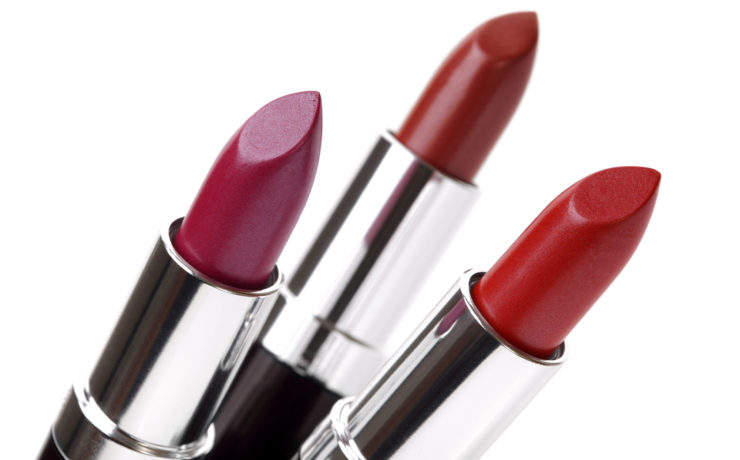
Kiss And Make Up: Quantifying The Lubrication Of Lip Balms And Lipstick Here at the Centre for Industrial Rheology, we pride ourselves on how we quantify life’s pleasures to help our customers, the researchers and developers of the world, make their products a little more pleasurable.

Rheology Testing of Hair Conditioners

Rheological profiling can provide formulators with a valuable prediction of characteristics relevant to consumers’ experience of a product. In this short study a rheological comparison of two hair conditioners enabled us to quantify the differences in various aspects of handling and application of the products.