

Skip links

Articles and Case Studies

Comparing Lamella and Surfactant Structures with Rheo-Impedance Spectroscopy

Rheo-Impedance Spectroscopy is a novel development that combines two powerful material characterisation approaches: rheological profiling and electrochemical impedance spectroscopy. The ability to simultaneously capture microstructural information from both techniques, whilst changing shear and temperature conditions, provides formulators with a potent capability in their measurement toolkit. 
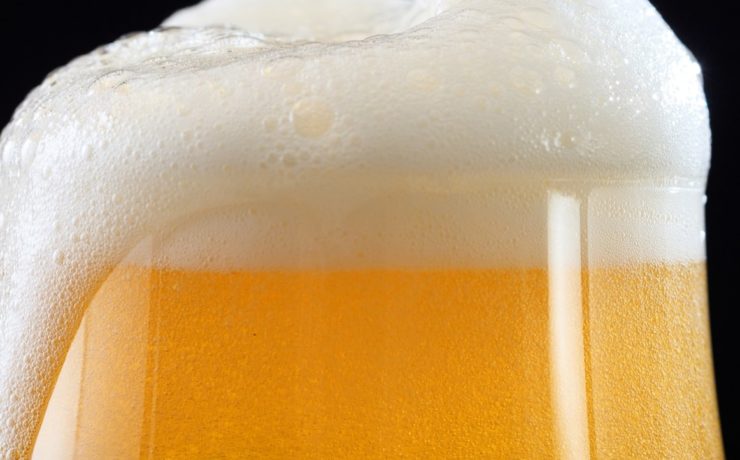
Foam Stability Prediction: Interfacial Rheology Measurements

Optimum interfacial rheology properties can impart stability in foams. In simple terms, robust, elastic films surrounding bubbles tend to reduce liquid drainage, rupture and coalescence. Our laboratory provides expert interfacial rheology measurements to capture and quantify these properties for researchers aiming to accurately predict and

Keeping It Cool: The Impact of Foaming on Liquid Cooling Efficiency

As processors are continually developed, their thermal design power is increasing exponentially, posing significant challenges in managing heat dissipation. Combined with the growing demand for AI-driven data centres, efficient cooling has become more critical than ever. Liquid cooling is emerging as a solution for high-performance

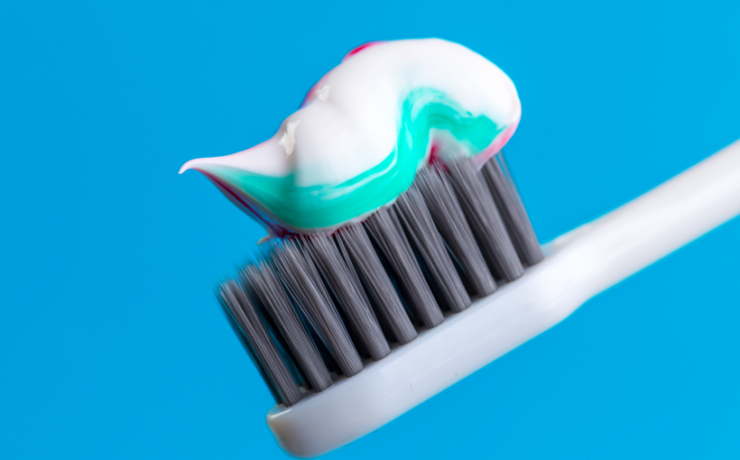
Brush, Foam, Repeat: Not without Interfacial Rheology!

The lab team at the Centre for Industrial Rheology examined two toothpaste samples to compare foaming properties and uncover what physical characteristics could be contributing to any differing properties. Surface tension is typically a key factor influencing foaming properties. However, as found within this case study,

Ahead of the (Salt) Curve: Unleashing Surfactant Rheology

When assessing salt curves, testing is commonly performed using a simple viscometer. These viscometers provide limited data, as they don’t have the ability to measure viscoelasticity, or viscosity as a function of shear rate. This limits the ability to measure the shear-dependent viscosity of non-Newtonian

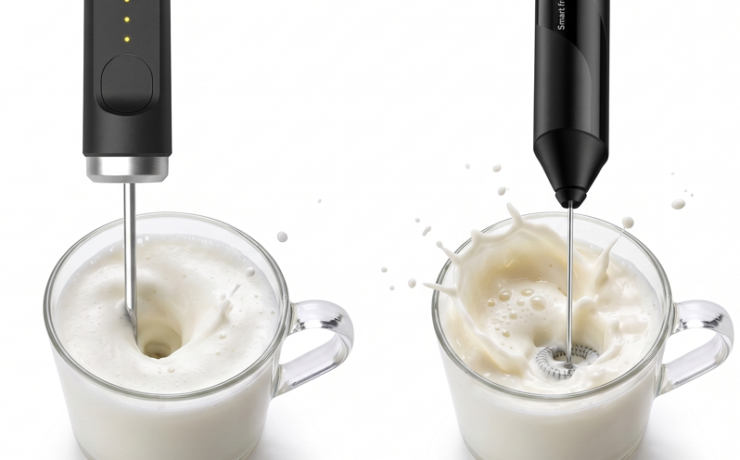
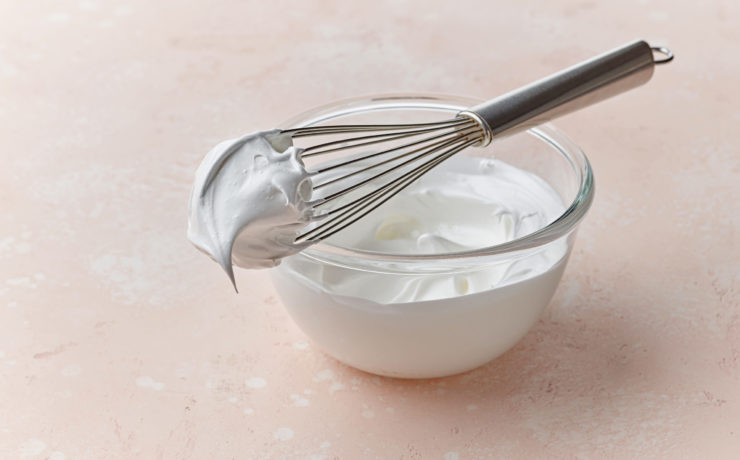
Whipping to Perfection: Rheology in Cream Texture Analysis

Rheology is a powerful tool for anyone looking to understand how materials behave under different conditions and can provide valuable insights into their structural and textural properties. This study demonstrates the application of rheology to whipping cream, showcasing how variations in whipping time can influence

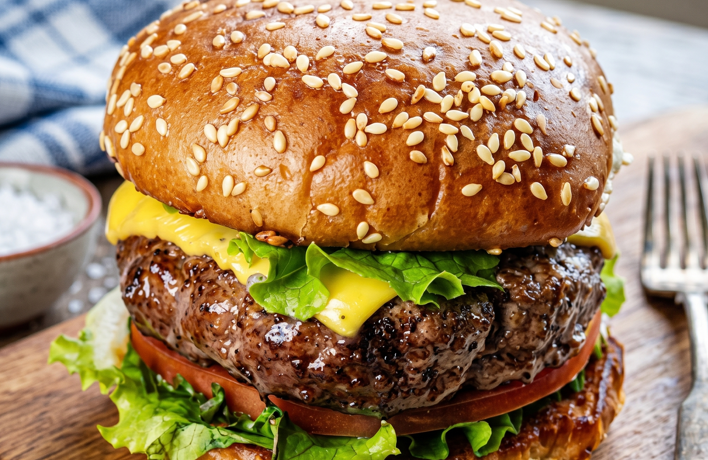
Tribology as a tool for predicting succulence

In this study, we employed soft-tribology methods to quantify the succulence of burgers and various sliced meats. By unlocking the science of succulence, we’re investigating the way that meat-based products and their plant-based alternatives interact with your mouth. The succulence of food is described as