
Foaming Behaviour of Surface Cleansers
Foaming is an important property of many household cleansers.


Foaming is an important property of many household cleansers.
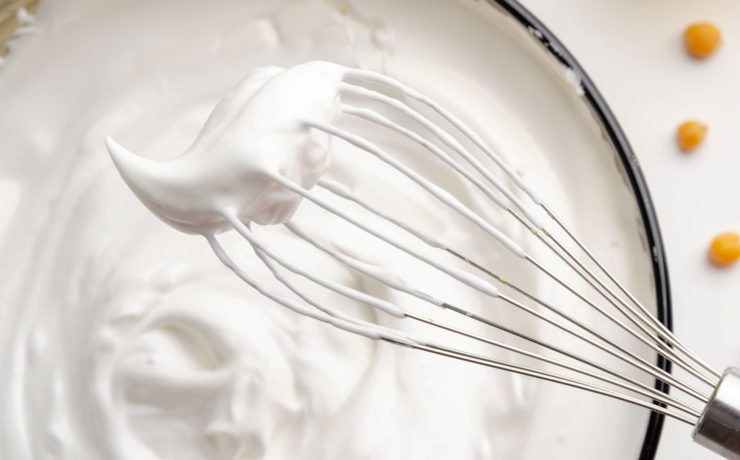
Dynamic foam analysis can provide insight into foaming behaviour.

Measuring the foaming ability of products can provide valuable insights into product behaviour. In the case of laundry detergents, being able to compare different brands against each other and measure how water hardness affects foamability and foam stability is very useful as it allows for

Rheology is a powerful technique for probing the behavioural profile of materials over a range of temperatures. Parameters such as rigidity and the degree of melting can be determined, providing key insights into behaviours at elevated temperatures. One area where this is especially useful is
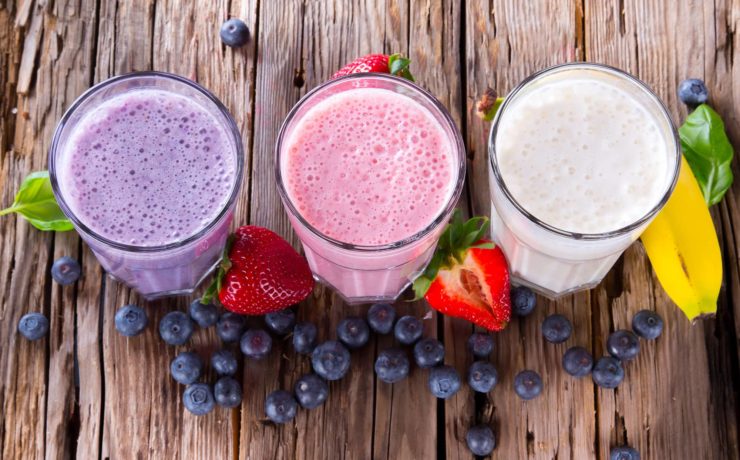
The advantages of comparing astringency have been showcased by investigating the behaviour of protein-based beverages when mixed with mucin and monitoring any changes in the COF; a significant increase in COF can signify astringency due to precipitation of salivary proteins. This work will likely be

I hope this is helpful for you, if you have any questions on using rheology and tribology to predict sensory properties, or you’d like some training or advice then don’t hesitate to get in touch Video Transcript for Using Rheology and Tribology to Predict
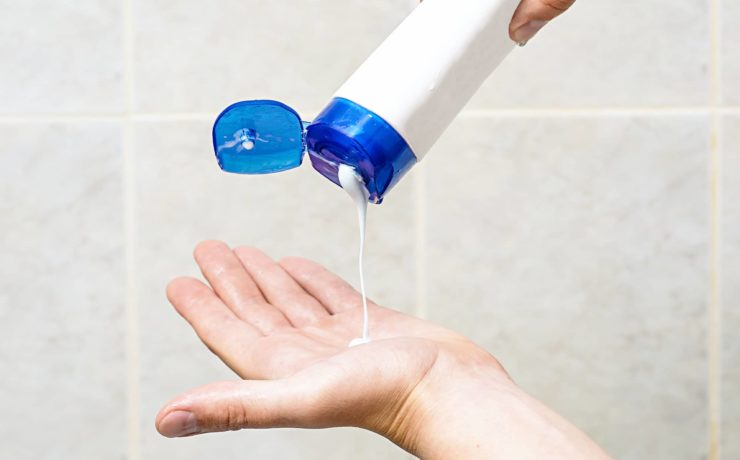
Using dynamic foam analysis methods, we determined important properties of shampoo foams such as drainage, height, volume, and bubble size, all of which are direct indicators of foam (in)stability. We also captured time-resolved images of the foams allowing for analysis of their structure both

Oral solid dosage (OSD) is a common method for delivering pharmaceutical drugs, nutraceuticals and supplements. In an OSD product, the active ingredient is dispersed among the excipient, or inactive components, which are powders. The excipient can have a range of roles, including stabilising and bulking-up

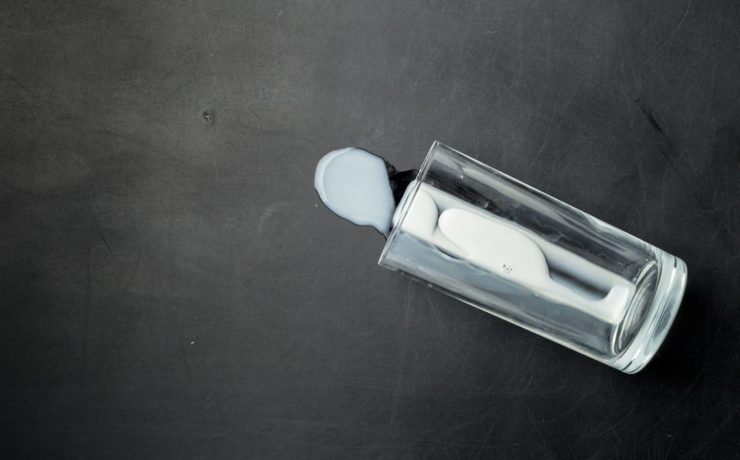
We investigated the foaming capability of six plant-based milk alternatives using bulk rheology and interfacial rheology methods and identified key differences between the sample set. This work will be of interest to formulators, food scientists and product development scientists alike. The plant-based market has grown