

Skip links

Temperature-dependant Rheology of Food Oils

Plant-based oils are big business, and their use globally is increasing as consumers look towards healthier lifestyles and a smaller carbon footprint. The use of oscillatory rheology to determine the behaviour of oils, or blends of oils, is a powerful tool and can save time,

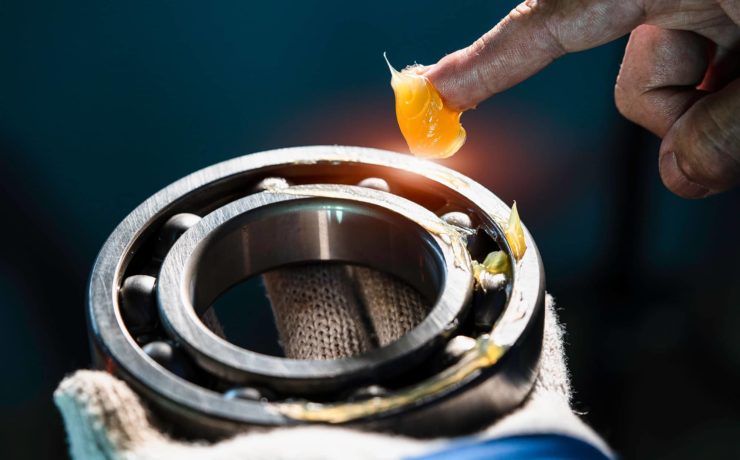
Grease is the word! Thermorheological Fingerprinting of Greases

The use of rheology can help those in Research and Development, Quality Assurance or Process Development determine the behaviours of a grease or oil formulation at elevated, ambient and cooled temperatures. Oscillatory testing is an advanced rheological technique that allows for identification and quantification of

Contact Angle: Measurements of Plant Leaf Wettability

Droplet Shape Analysis Analysis of a droplet on a surface, also known as sessile drop analysis, allows for measurement of the angle at which a droplet of liquid interacts with a surface. The contact angle measured allows some conclusions to be drawn around the energetic

Interfacial Rheology for Beginners

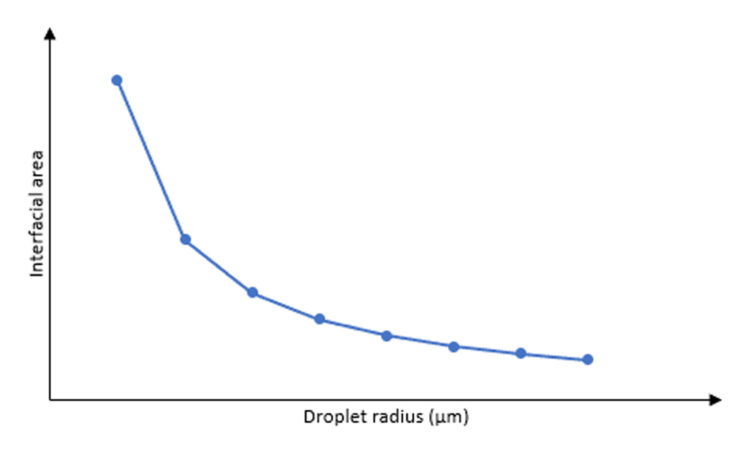
When you consider that the average bottle of body lotion or food dressing is knitted together with oil/water interfaces that can span a tennis court in area, it is not surprising that the strength, flexibility and robustness of those interfaces is critical for a stable

Viscosity and Thermal Conductivity of Heat Transfer Fluids

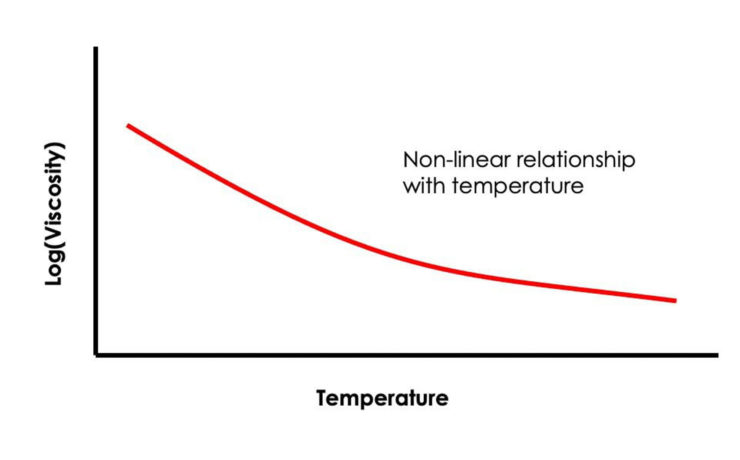
The viscosity and thermal properties of thermal transfer fluids are vital to characterise when predicting handling and benchmark performance. Performance additives such as nano-particles, anti-corrosion or anti-freeze can significantly impact base handling and thermal transfer properties, so they must be balanced for the intended application.

Rheology of Adhesives

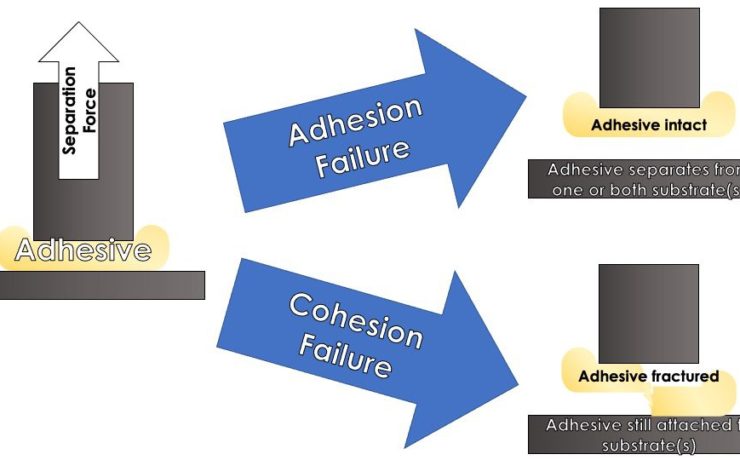
Investigating the rheology of adhesives can help manufacturers and customers alike better understand how to pick and choose the best adhesives for their application. Peel, tack and grab, shear/creep resistance and elasticity can be explored and quantified using an appropriate toolkit of rheological techniques. We

Powder Flow for Solid Dose Pharmaceuticals

Physical powder characterisation can be a vital part of oral solid dose design. From advanced screening of end-product properties such as capsule fill or tablet hardness to processing problems like hopper dispensability, API/excipient segregation or dusting. Physical characterisation of an oral dose blend can be

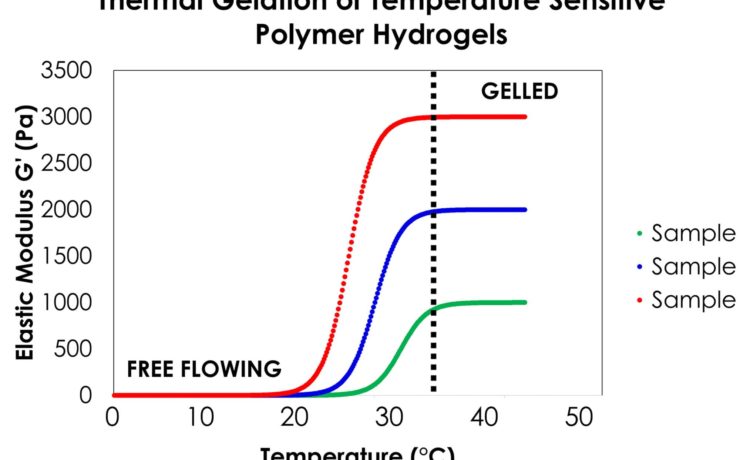
Rheology of Thermosensitive Injectable Polymer Hydrogels

The rheology of thermosensitive injectable polymer hydrogels is an important area of interest for medical professionals looking to improve API delivery to target tissues. The Sol-Gel transition of a polymer hydrogel must occur at body temperature under physiological pH and salt content, and being able