

Skip links

Dynamic Surface Rheology to Monitor UV Curing of Resins

Curing of resins using UV light has been monitored using dynamic surface rheology, providing valuable insights including lag time between exposure to irradiation and the curing process starting, the rate at which curing occurs, and the strength of any film or structure made. This insight

Comparing Bulk and Dynamic Surface Rheology of Paints

When designing and developing a paint product there are two main rheological aspects that must be considered. Firstly, there is the rheological behaviour of the bulk material, which is related to storage and application. Secondly, there is the interfacial rheological, or filming, behaviour, which is

Surface Rheology: Film Formation During Adhesive Curing

Using dynamic surface rheology, we have been able to rheologically characterise formation of a film as an adhesive cures. This has provided valuable insight into filming behaviour over a range of temperatures, and also highlighted how sample preparation and treatment during data collection can impact

Scone-ology: Jam First or Cream First?

Do you put the jam on the cream or the cream on the jam? The perennial question. Let’s put this to the rheological test… Cornish clotted cream and strawberry jam were purchased from Marks and Spencer. Viscosity, complex modulus and phase angle were determined for

Baby Bubble Baths and the Interfacial Rheology of Surfactants

The bulk rheology and interfacial behaviour of foams is extremely important to a number of industries, but their rheological behaviour is poorly understood. There are two aspects that can be subjected to the rheological investigation: the foams themselves, and the diluted liquid containing the foaming

Viscoelastic Properties of Injectable Proteins

Using advanced rheological techniques, we have probed the viscosity and viscoelastic properties of concentrated (300 mg/mL) bovine serum albumin (BSA) solution in deionised water and a concentrated BSA solution (300 mg/mL) in 0.5M sodium iodide (NaI), revealing significant differences in behaviour. The NaI-doped solution had

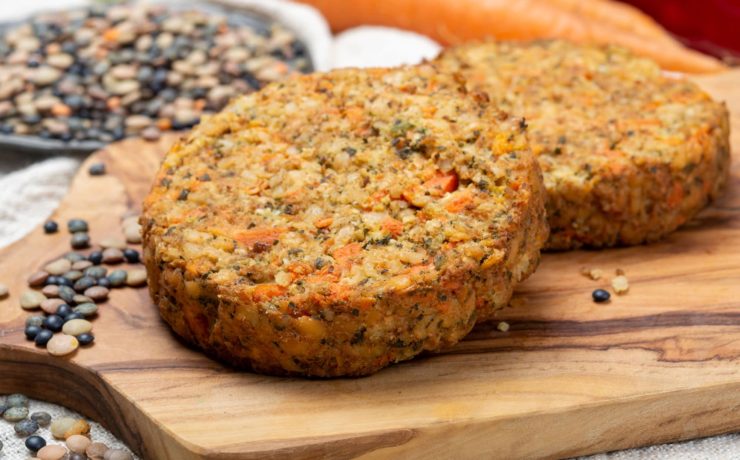
Quantifying Cooling Behaviour of Plant-Based Protein

The use of research rheology offers unique capability for interrogation of cooling behaviours of plant-based protein products. When compared with the commonly-used texture analysis instrumentation, rheology can provide significant advantages, especially when measuring food texture profiles at elevated temperatures as the temperature control is much