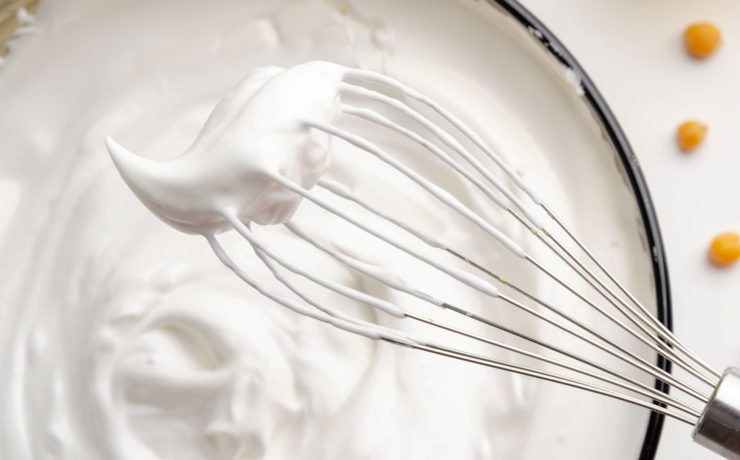
Quantifying the Foamability of Aquafaba and Egg White
Dynamic foam analysis can provide insight into foaming behaviour.


Dynamic foam analysis can provide insight into foaming behaviour.
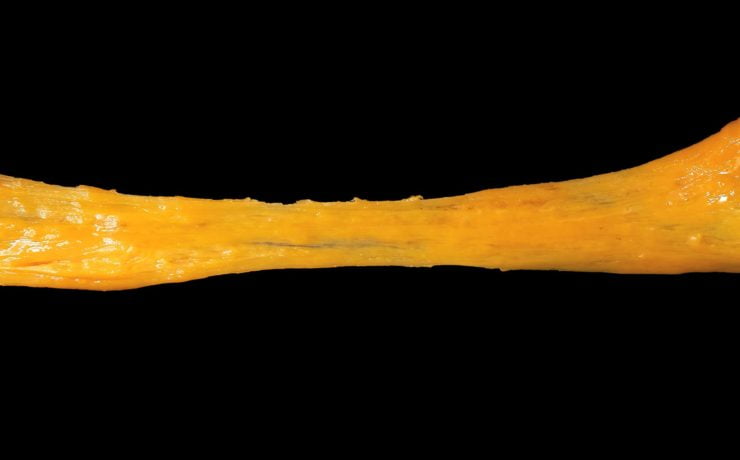
Rheology is a powerful technique for probing the behavioural profile of materials over a range of temperatures. Parameters such as rigidity and the degree of melting can be determined, providing key insights into behaviours at elevated temperatures. One area where this is especially useful is
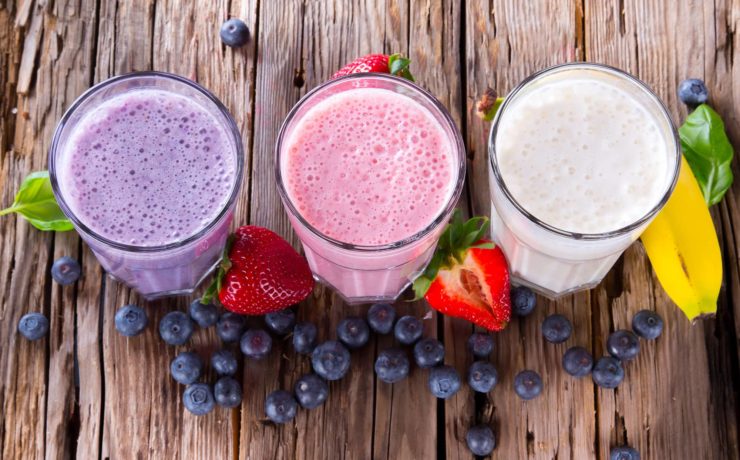
The advantages of comparing astringency have been showcased by investigating the behaviour of protein-based beverages when mixed with mucin and monitoring any changes in the COF; a significant increase in COF can signify astringency due to precipitation of salivary proteins. This work will likely be
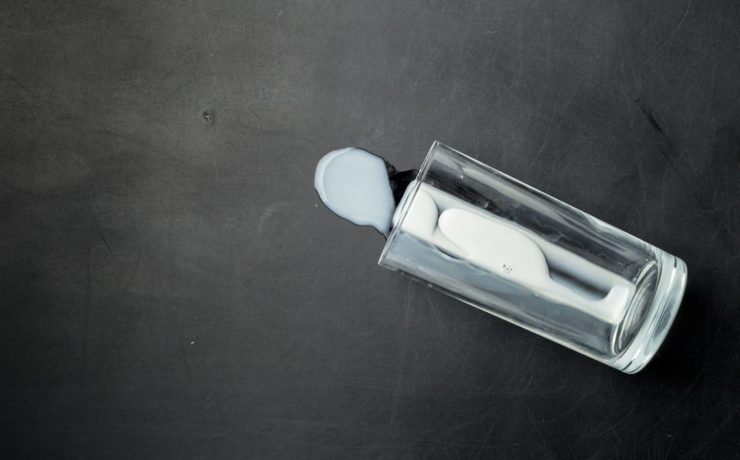
We investigated the foaming capability of six plant-based milk alternatives using bulk rheology and interfacial rheology methods and identified key differences between the sample set. This work will be of interest to formulators, food scientists and product development scientists alike. The plant-based market has grown

Quantitatively determining the astringency of a foodstuff is very difficult to do but can be extremely useful when identifying behavioural differences between formulations and likely customer perception. For example, it is an extremely powerful technique when considering how switching an animal-derived product for a plant-derived

Do you put the jam on the cream or the cream on the jam? The perennial question. Let’s put this to the rheological test… Cornish clotted cream and strawberry jam were purchased from Marks and Spencer. Viscosity, complex modulus and phase angle were determined for

Aquafaba is becoming an increasingly common replacement for egg white in a number of goods as customers and manufacturers look to reduce their impact on the environment. Collecting viscosity data for the mother liquid and by comparing the viscoelastic properties of the foams, a rheological
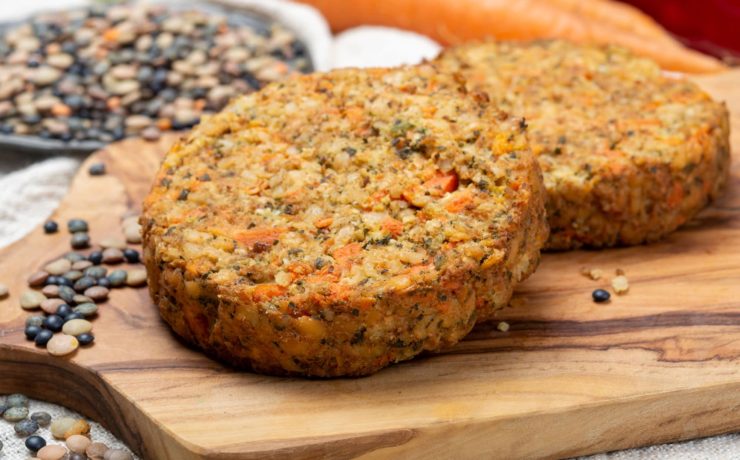
Texture Profile Analysis (TPA) is a stalwart within the food industry and is extensively used across a range of food products. During a TPA test, the sample is subjected to axial pressure that causes deformation. More specifically, TPA testing involves double compression of a sample
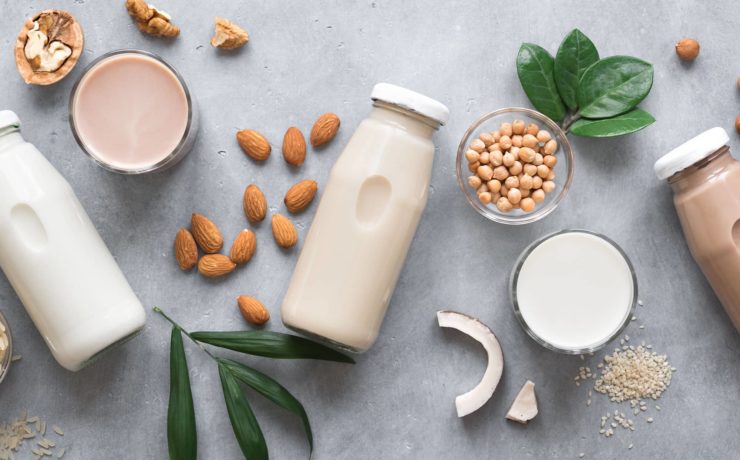
The use of soft tribology is a valuable tool for understanding the interaction of food within the mouth. An extremely useful, but under-utilised, extension of this work is to use soft tribology to probe the interaction of foods with mucin, a component of saliva. Acting
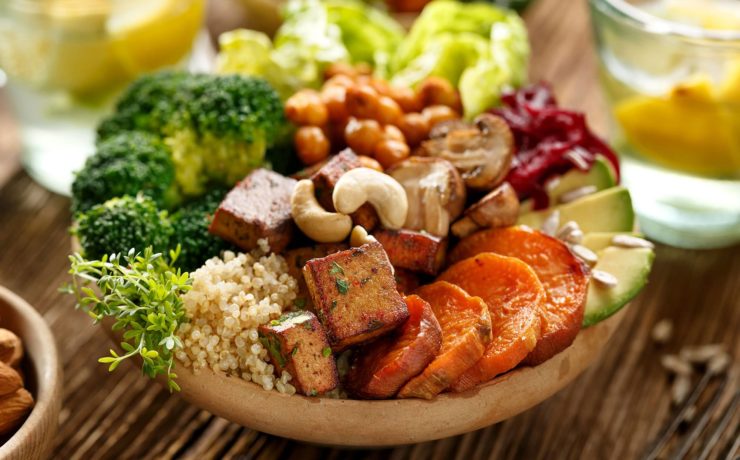
The use of research rheology offers unique capability for interrogation of cooling behaviours of plant-based protein products. When compared with the commonly-used texture analysis instrumentation, rheology can provide significant advantages, especially when measuring food texture profiles at elevated temperatures as the temperature control is much