
Skip links

Articles and Case Studies

Unmasking the Mucoadhesive Properties of Ophthalmic Drops

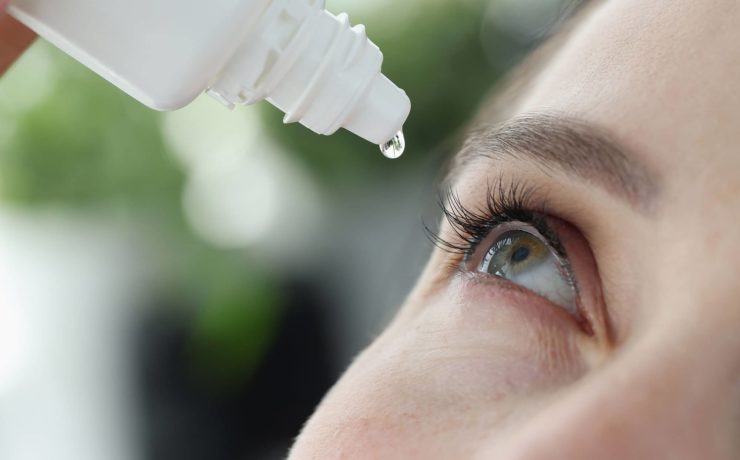
The delivery of drugs to the eyes is fraught with difficulty due to the body’s biological defence mechanisms. Barriers include blinking and wash-out by the tears, nasolacrimal drainage, non-productive losses and impermeability of the cornea. Rheology is an established technique for profiling the mucoadhesive properties

Characterising Building Materials Using Rheology

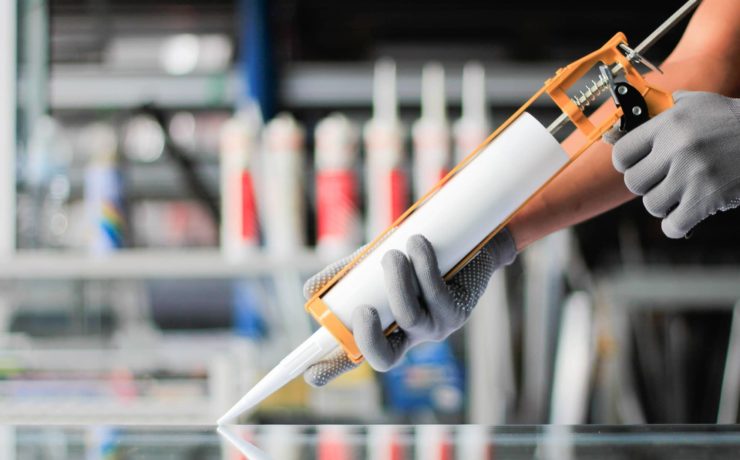
Sealants are common building materials that usually contain silicone-based polymers and are generally used to prevent fluid ingress, often in a bathroom or kitchen.  Key requirements for sealants are that they can resist water ingress, are resistant to moderate deformation, and can flow under pressure

Astringency of Tea and the Impact of Plant-Based Milk

Quantitatively determining the astringency of a foodstuff is very difficult to do but can be extremely useful when identifying behavioural differences between formulations and likely customer perception. For example, it is an extremely powerful technique when considering how switching an animal-derived product for a plant-derived

Benchmarking Film Formers for Cosmetics

Dynamic surface rheology is a technique that can be used to monitor the formation of films, or drying on the surface, of a bulk material. In this case study, we used dynamic surface rheology to monitor the physical drying behaviour of cosmetic foundations, alongside drop-shape

Sensory Prediction without a Panel: Tribo-Rheology for Skincare

Quantified  –  Repeatable  –  Objective The Centre for Industrial Rheology has been delivering sensory prediction/tribo-rheological profiles to industry titans within the cosmetic, personal care, and pharmaceutical sectors for almost a decade. The quest for the perfect cream or lotion formulation rests on a balance of

Dynamic Surface Rheology to Monitor UV Curing of Resins

Curing of resins using UV light has been monitored using dynamic surface rheology, providing valuable insights including lag time between exposure to irradiation and the curing process starting, the rate at which curing occurs, and the strength of any film or structure made. This insight

Comparing Bulk and Dynamic Surface Rheology of Paints

When designing and developing a paint product there are two main rheological aspects that must be considered. Firstly, there is the rheological behaviour of the bulk material, which is related to storage and application. Secondly, there is the interfacial rheological, or filming, behaviour, which is

Surface Rheology: Film Formation During Adhesive Curing

Using dynamic surface rheology, we have been able to rheologically characterise formation of a film as an adhesive cures. This has provided valuable insight into filming behaviour over a range of temperatures, and also highlighted how sample preparation and treatment during data collection can impact

Scone-ology: Jam First or Cream First?

Do you put the jam on the cream or the cream on the jam? The perennial question. Let’s put this to the rheological test… Cornish clotted cream and strawberry jam were purchased from Marks and Spencer. Viscosity, complex modulus and phase angle were determined for