
Challenge- Inherent Process Variability in High-Throughput Food Manufacturing
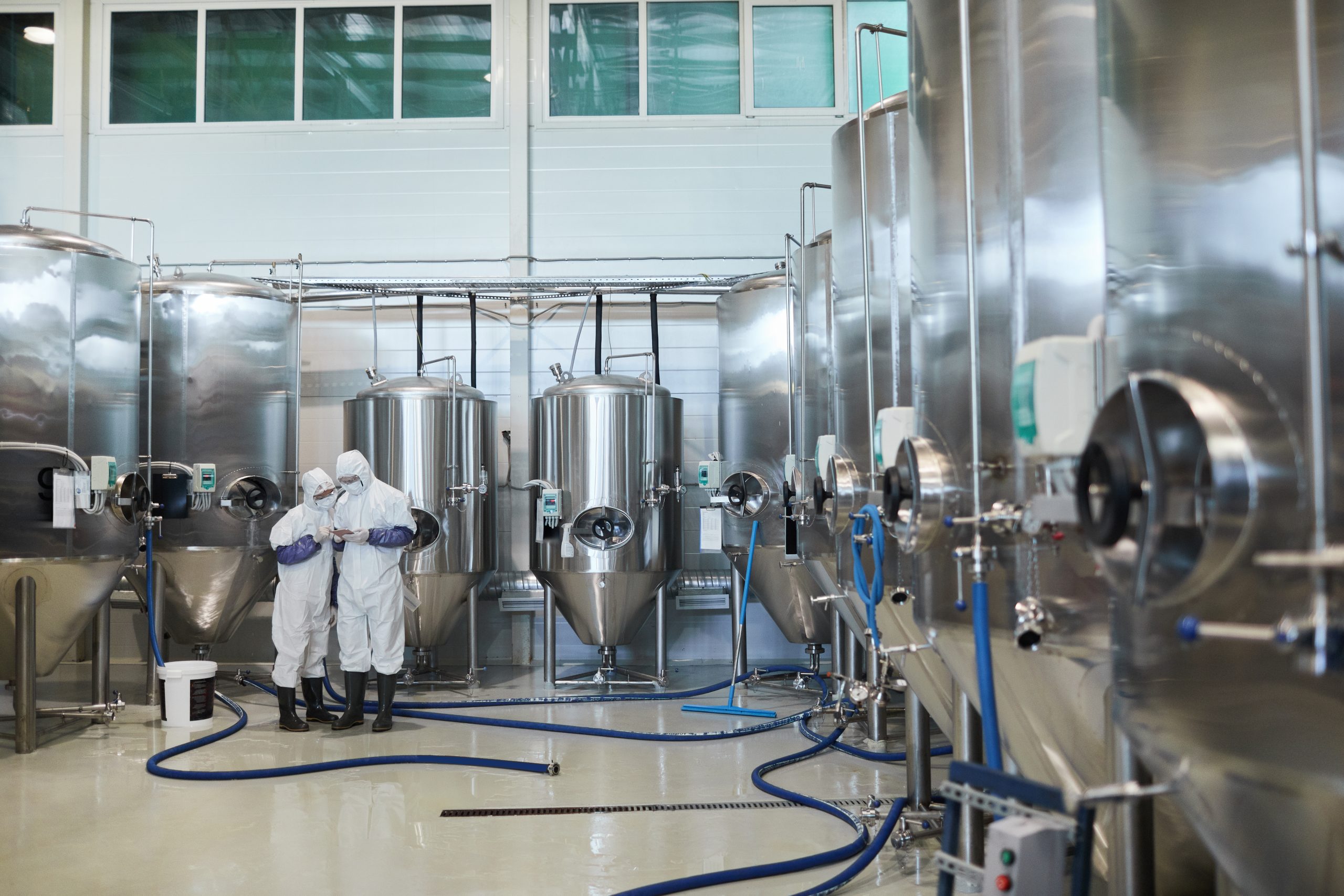
A chip batter manufacturer experiencing significant batch failures approached us to help them stabilise their production line. Their situation highlighted a challenge common to high-throughput food manufacturing, where even small process variability can affect product consistency and processability. Their issue was further compounded by the commercial pressure to maximise water content to improve margins, without compromising processability. Overall, they were experiencing wasted batches, reduced operational efficiency and increased costs.
The result was a reactive rather than preventative approach. Problems were being identified in production, troubleshooting relied on expensive factory trials, and the root cause of variability remained poorly understood.

Solution – Understanding Processability at Lab Scale
We began by mapping the key variables that were likely to cause issues across their production line.
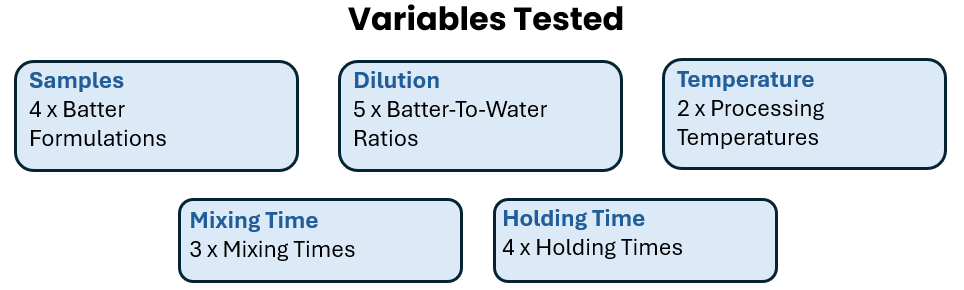
We then identified lab-based rheological approaches capable of assessing the behaviours that contribute to metrics such as pumpability, cling, coat weight, and adhesion. From this, we built a comprehensive testing matrix to quantify the impact of each variable on processability systematically.
Rheologically, we characterised the material’s behaviour across a range of shear conditions, in addition to assessing how the material rebuilds viscosity following the cessation of shear. We then probed the delicate structure present using oscillatory methods to determine the material’s overall rigidity and stress required to make the material flow, further investigating long-term stability.
Business Impact
Rheological testing delivered actionable insight within days
Rather than relying on time-consuming and expensive full-scale production trials, the manufacturer received a comprehensive understanding of how each process variable affects batter behaviour. This was delivered quickly and at a fraction of the cost of on-site troubleshooting.
Clear dilution thresholds were established, enabling confident cost optimisation without sacrificing performance
By identifying exactly where dilution negatively impacts processability, the manufacturer could confidently maximise water content in their formulation without risking batch failures or inconsistent product quality.
Defined operating windows gave the team confidence to act, rather than guess
Rather than treating all process variables as equally uncertain, the data allowed the manufacturer to identify which variables required tight control and which could be relaxed. This enabled faster, more confident decisions across quality control, process optimisation and formulation development.
Results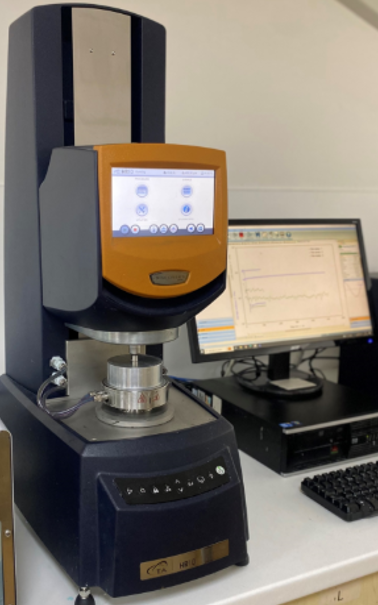
Rheological profiling revealed clear, actionable insights across all variables tested, which would not have been possible from simple viscometer measurements alone.
Dilution was identified as the most important variable to control. Beyond a batter-to-water ratio of 1:1.3, a clear loss in rheological properties was observed with direct implications for coatability and suspension stability.
Mixing duration and temperature also demonstrated measurable changes in rheological properties, indicating the need to tightly control these variables for optimal processability.
Holding times under 20 minutes showed negligible rheological impact, confirming that routine production pauses do not compromise batch quality. However, the profiling also identified that extended holding times under exceptional circumstances can compromise batch quality, providing a data-driven justification for batch rejection in this case. These investigations can be replicated across a variety of batters, including tempura, drop batter, and pour batter.
Book a chat with our team to discuss how we can help you solve similar problems
Contact Us
References
[1] – ABB, Sapio Research. Value of Reliability: ABB Survey Report [Internet]. Zurich: ABB; 2023. Available from: https://new.abb.com/docs/librariesprovider19/default-document-library/abb_survey-report-2023.pdf
[2] – Radshaw C, Wentworth J. Food Waste [Internet]. London: Parliamentary Office of Science and Technology; 2023 POSTbrief 60. Available from: https://researchbriefings.files.parliament.uk/documents/POST-PB-0060/POST-PB-0060.pdf